
Services · Bellevue, WA
Serpentine belt replacement: squealing from under the hood?
The serpentine belt drives the alternator, the A/C compressor, the power steering and often the water pump. When it slips, cracks or snaps, several of those stop at once. LBR checks the belt, tensioner and pulleys together and replaces what's worn.
Signs it's time
- A squeal or chirp from the engine, especially at start-up or when turning
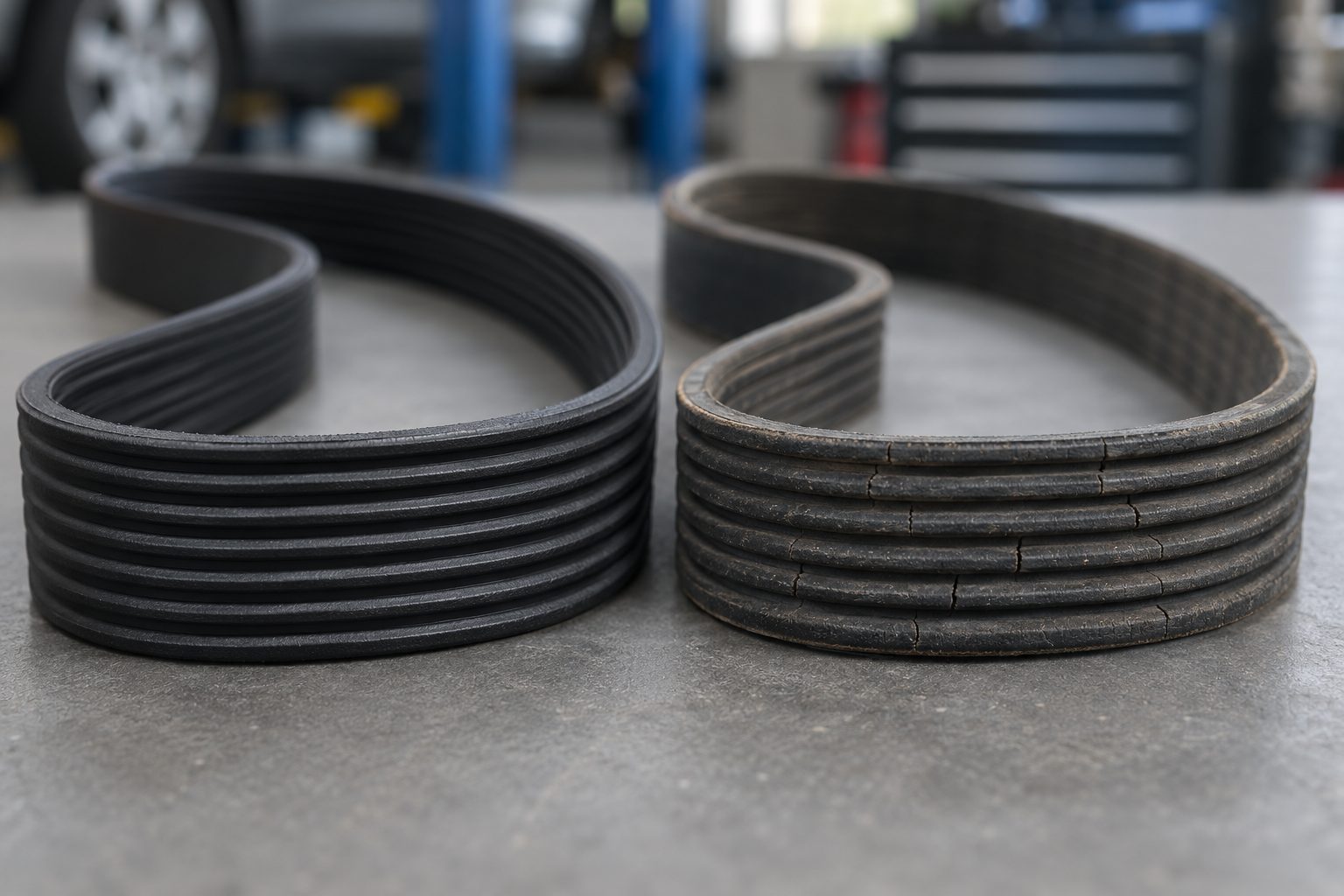
- Cracks, fraying or shiny, glazed patches on the belt
- The battery light comes on, or the A/C stops cooling
- Heavy steering on cars with belt-driven power steering
- The temperature gauge climbing, on engines where the belt drives the water pump
- Your car is at the belt interval in its maintenance schedule
What we do
- Inspect the drive system. The belt, the automatic tensioner and every pulley it runs over, because a noisy pulley or weak tensioner can ruin a new belt.
- Replace what's worn. The belt, and the tensioner or idler pulleys if they're noisy or weak.
- Check it runs true. Belt alignment and tension, so the new belt runs quietly and lasts.
What you can expect
You'll know what we found before we do anything extra. Repairs are covered for 12 months or 12,000 miles, parts and labor.
Common questions
How often should a serpentine belt be replaced?
Many manufacturers suggest somewhere between 60,000 and 100,000 miles, but condition matters more than mileage. We check it at every service.
Is it the same as a timing belt?
No. The serpentine belt is on the outside of the engine and drives the accessories. A timing belt, on engines that have one, is behind covers and keeps the engine's internal timing. Both matter.
What happens if it breaks while I'm driving?
The battery stops charging, and on many cars the power steering and water pump stop too. Pull over when it's safe and call the shop.
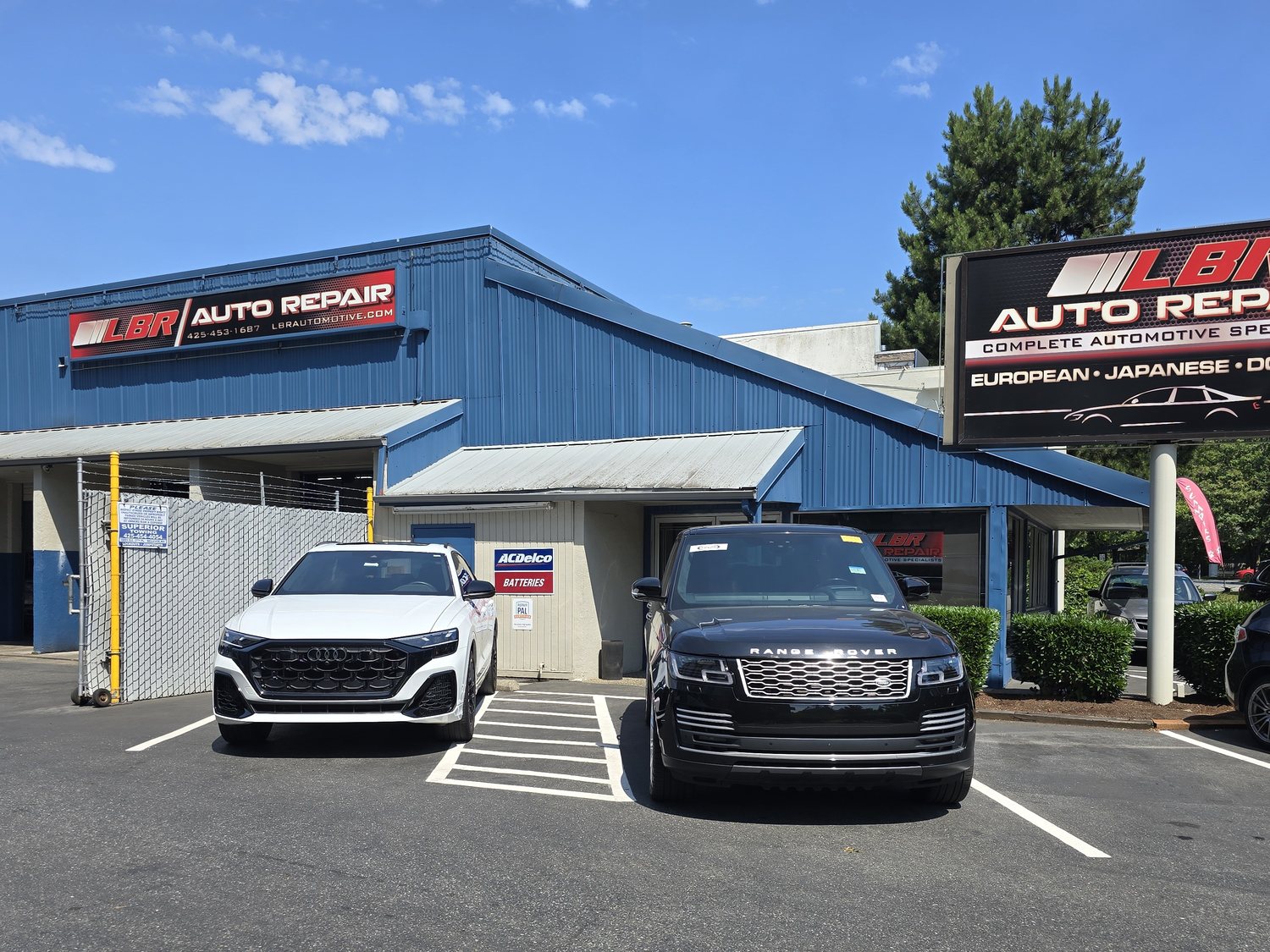
On Bel-Red Road
Book a belt check
Bellevue, WA 98005
Monday–Friday, 8:00 AM–5:00 PM
Closed Saturday and Sunday