
Services · Bellevue, WA
Oxygen sensor replacement: check engine light and worse fuel economy?
Oxygen (O2) sensors measure what's left in the exhaust, so the engine can keep its fuel mix right and the catalytic converter can do its job. A slow or failed sensor can cost you fuel economy and trigger the check engine light. LBR confirms which sensor is at fault, and whether it's the sensor at all, before replacing it.
Signs it's time
- The check engine light is on, with an O2 sensor or catalyst code
- Fuel economy has dropped
- A rough idle or hesitation
- A rotten-egg smell from the exhaust
- Black smoke, from the engine running rich
- Your car is old enough that the original sensors have done a lot of miles
What we do
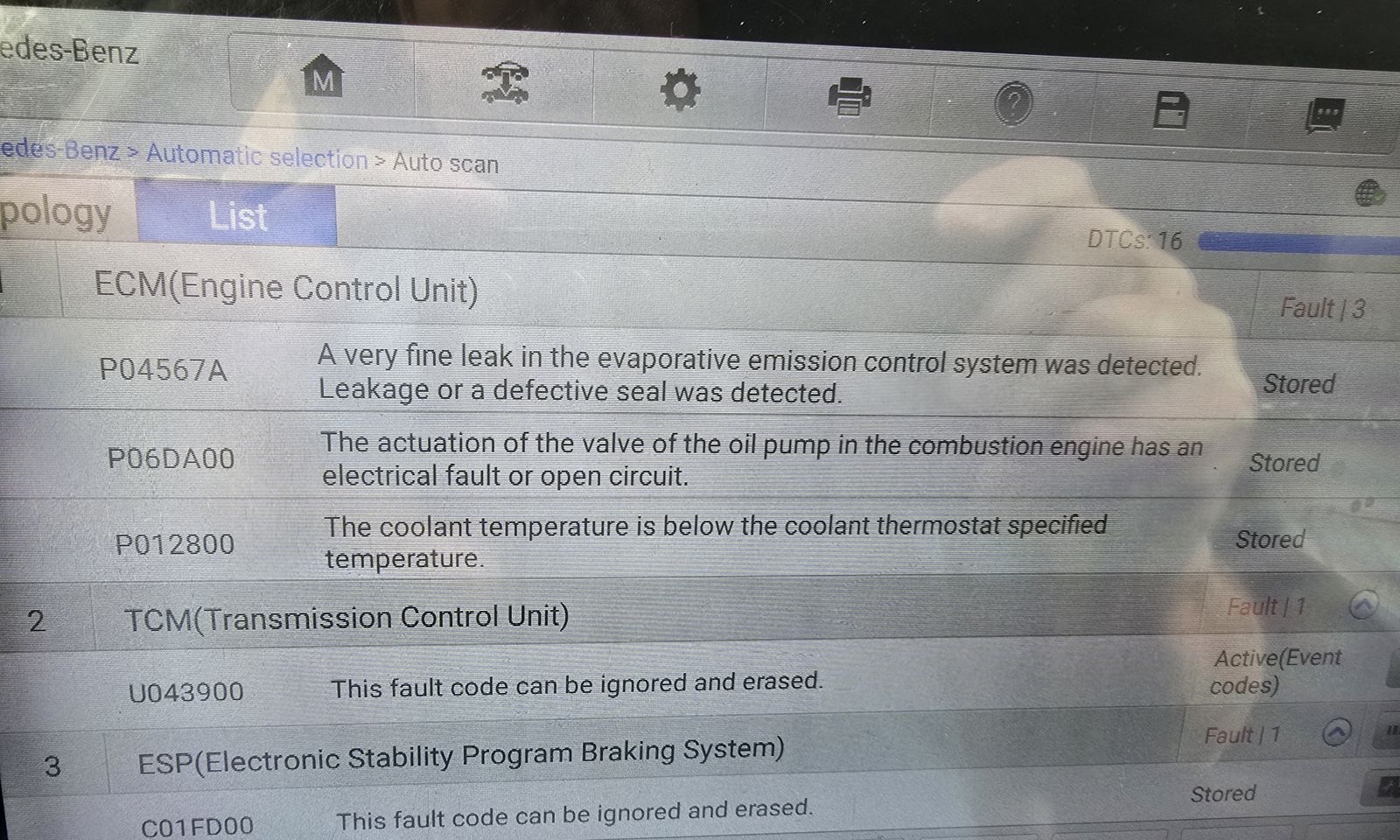
- Read the codes and live data. Most cars have two or more O2 sensors, before and after the catalytic converter. The data shows which one is slow, stuck or failed.
- Rule out the real cause. A misfire, an exhaust leak or a vacuum leak can make a good sensor read badly. We check before replacing anything.
- Replace the faulty sensor with the correct part for your car and confirm the readings and the codes clear.
What you can expect
You'll know which sensor is bad, and why, before you approve any parts. Repairs are covered for 12 months or 12,000 miles, parts and labor.
Common questions
How many oxygen sensors does my car have?
Usually two to four: one or two before the catalytic converter and one or two after it, depending on the engine.
Does a bad O2 sensor damage anything?
It can. If the engine runs too rich for too long, the catalytic converter can overheat and fail, which costs far more than a sensor.
Can I keep driving with a bad O2 sensor?
Usually, for a short while, but you'll use more fuel and risk the converter. Book an appointment soon.
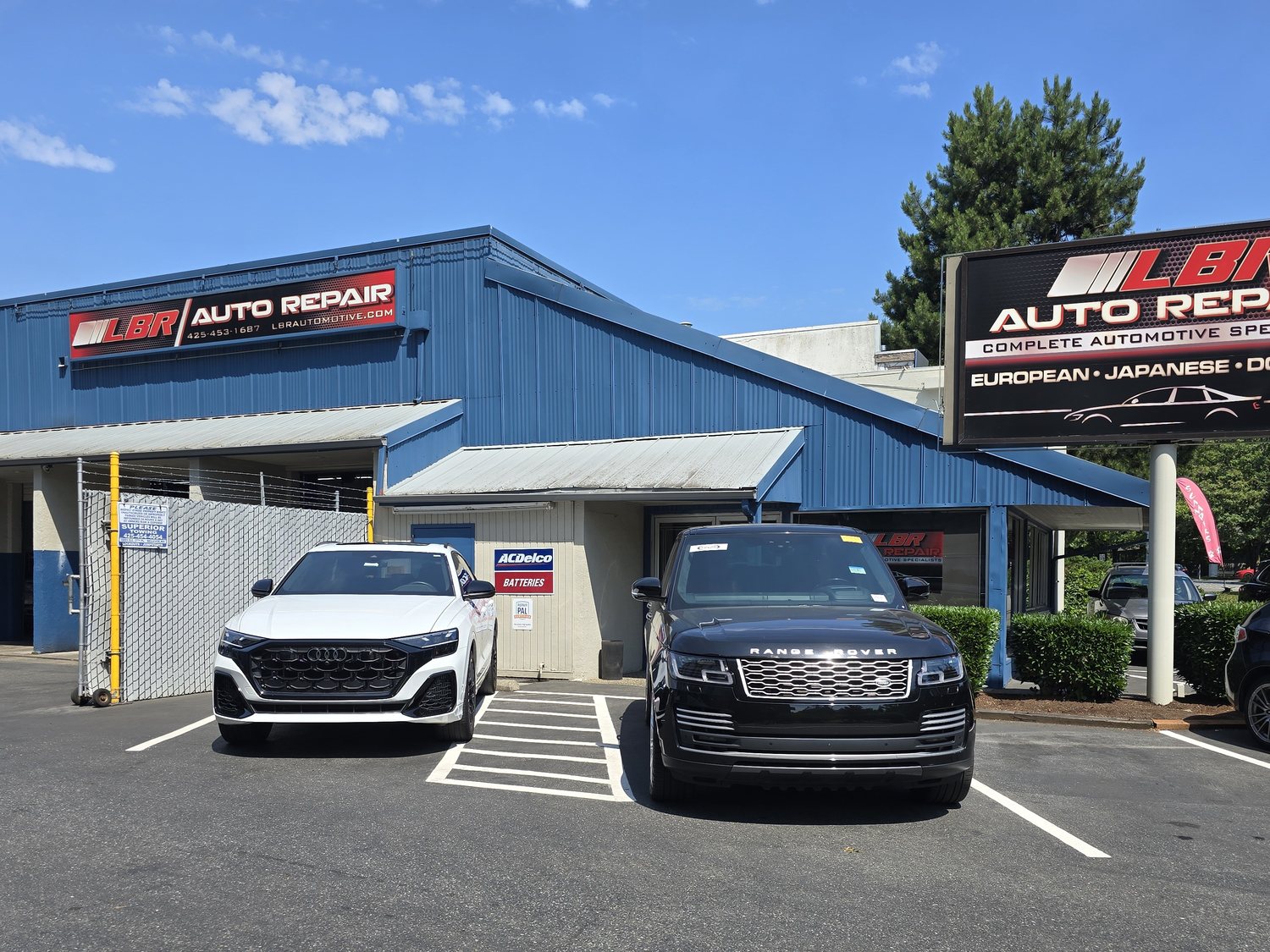
On Bel-Red Road
Book a diagnosis
Bellevue, WA 98005
Monday–Friday, 8:00 AM–5:00 PM
Closed Saturday and Sunday